

Billie the Kid was a goat barbarian (Path of the Totem Warrior: Goat, obviously), with a Stomach of Holding who gained sapience after eating an enchanted artifact from the wizard who lived next door to the field where her herd liked to graze. Ever since, her only goals in life were to stomp her enemies in battle, eat more of that sweet, sweet magic paper (a shockingly expensive item, in-game) and evade the wizard who would make her cough the artifact back up, on pain of death. Any threats of returning to life as a dumb animal would be met with the same retort—with an intelligence of 8, Billie was not very smart to begin with. Despite all appearances, this is a very serious game.
I first got into Dungeons and Dragons about nine years ago, long before I’d ever thought of trying to get my writing published. General consensus on the hobby can be pretty divided—it’s either associated with the Satanic Panic and thought of as something you do in a basement surrounded by miniatures and memorabilia, or cool enough for television shows like Stranger Things and The Librarians, and so popular that actual-play group Dimension 20 sold out Madison Square Garden to play Dungeons and Dragons to a crowd with more fervor than Patriots fans at the Super Bowl. Sessions can last hours, games can go on for years, and you get better at it by reading long instruction manuals and doing increasingly complicated math. To me, these are all big selling points. And as much fun as it was, I didn’t realize how to combine my hobby with the very thing I was trying to do professionally—writing and publishing fiction.
How many times had I found myself stuck while writing a short story, unsure of where to take the characters next? I can’t be the only one stalling out if I don’t know which direction the story should go. In Dungeons and Dragons, success or failure hinges on the roll of a dice—the higher the number, the better your roll. Introducing random chance into the storytelling process helps me build stronger characters and create more interesting outcomes. Using odds vs evens on a dice roll when deciding between two different paths can help expand my imagination and consider character choices I wouldn’t have ordinarily thought about. It’s advice not dissimilar to the old adage: if something isn’t working in your scene, change the weather. If you’re too attached to a story to the point it’s losing momentum, taking a choice completely out of your hands helps you become less precious about it. If your game characters die from a series of bad or unlucky rolls, it’s baked in to just move on and roll something new. When I tested Google’s in-browser dice roller it took me fifty-five tries rolling a twenty-sided dice until I landed on a twenty, the number for a critical success. I also got four sevens in a row. On a slot machine, that’d be great, but here I’d say the takeaway is that the dice want to cause my characters more problems—and that’s the best thing you can have in a crime fiction story.
When I was finishing my first novel, co-written with my twin sister Jennifer (who was the one who first got me into role-playing games) we would regularly discuss which Dungeons and Dragons class each character would be. The eccentric female lead was a monk, and the unwaveringly steady male co-investigator was a cleric, the class devoted to healing. Imagining them with the roles and skills of game characters was a fun little exercise, but it also helped the characters become more multidimensional in the editing process—despite the shared DNA the two of us don’t always think about things the same, and talking about how we would position the characters like this illuminated some differences in how we saw them. And telling stories in this one way ended up helping how I told stories in all other ways.
As for Billie the Kid, she eventually died in battle, but came back to life as a revenant to complete her unfinished business—using the artifact in her stomach to spread the gift of consciousness to a different flock of farm animals. It’s the collaborative nature of the game that appeals to me the most, I think, because as a twin, both writing and life in general to me has never been a solitary endeavor. There is always someone to bounce ideas off of or ask the right questions to really dig into what I’m trying to create. Sometimes that story is serious and sometimes it’s silly, but the best tales always have a bit of both.
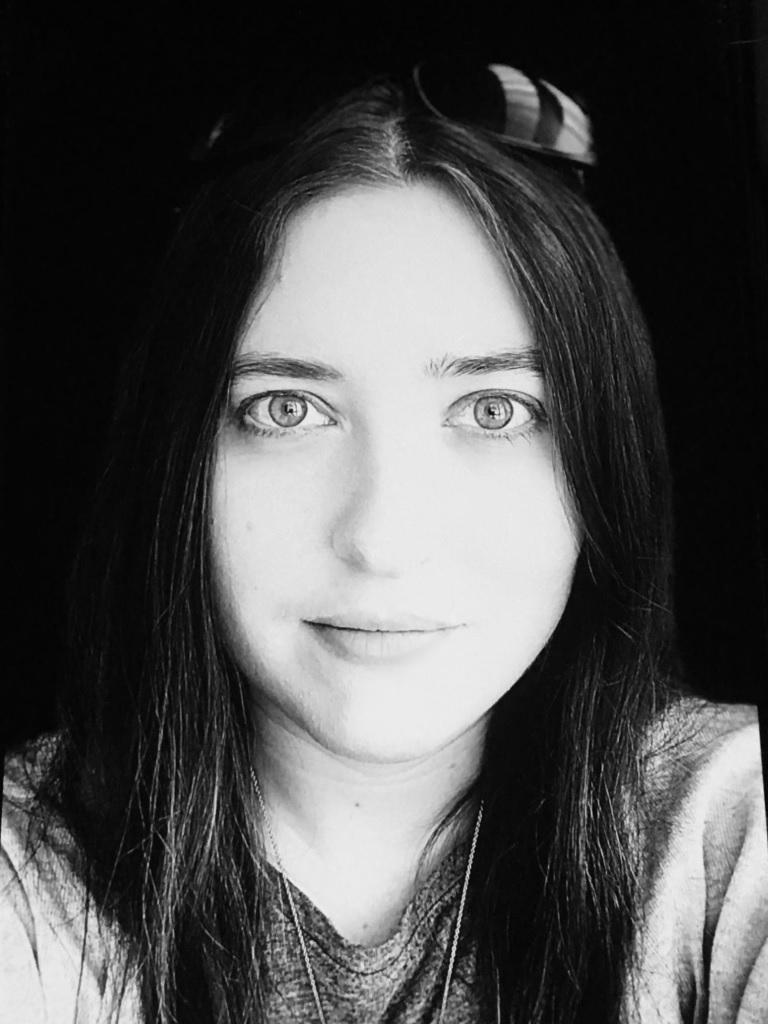
Jessica Slee studied English Literature and Creative Writing at the University of North Carolina at Chapel Hill. She is a Claymore Award Winner, and in 2022 she was longlisted for the CWA Debut Dagger and the First Pages Prize. She was recognized in the Honor Roll of The Best Mystery Stories of the Year 2024 and her work appears in Cold Caller Magazine, Flash Fiction Magazine, Punk Noir, Shotgun Honey, and others. For more, visit sleesquared.com.