While I’ve been writing since my early teenage years, around fifteen years ago I began to think of my writing as a practice and grew more serious about finding readers and trying to publish my work. In developing this practice and thinking through writing as a craft that I must develop, I, like many beginning writers, sought out inspiration in the rules laid down by other writers and the details around how they produced their work. I became obsessed with daily word counts, the numbers of revisions for each project, etc., all of which I tracked religiously in a spreadsheet as if the answers to becoming a better writer lie in proper quantification.
My goals shifted constantly because I’d hear a writer I admired lay down a new rule for how to be a writer, and I’d shift to meet this new information as if what worked for that writer would necessarily work for me. Write daily, my trusty spreadsheet said, get X number of words per day, novel drafts should be completed in Y months, etc. These maxims became for me a kind of rigid gospel. Alongside these quantifiable metrics, I also aspired to find the more mystical methods by which I might channel the ever-elusive muse. I religiously lit candles, curated playlists of atmospheric music, experimented with the times of day at which I wrote, and took up meditation, which I still practice before each writing session.
I want to be clear: my beliefs these days are that writing consists of both those mystical moments in which we are plucking ideas from the universe as they float through the air as described by David Lynch, and the practical application of consistently planting one’s ass firmly in one’s seat, laptop open, typing out words, good, bad, and ugly, to just get that draft done come hell or high water. But something unlocked for my work when I gave myself freedom from rules and metrics and realized that some of my best ideas came when I was deep in the woods on a hiking trail in the mountains of Western North Carolina, where I live and grew up.
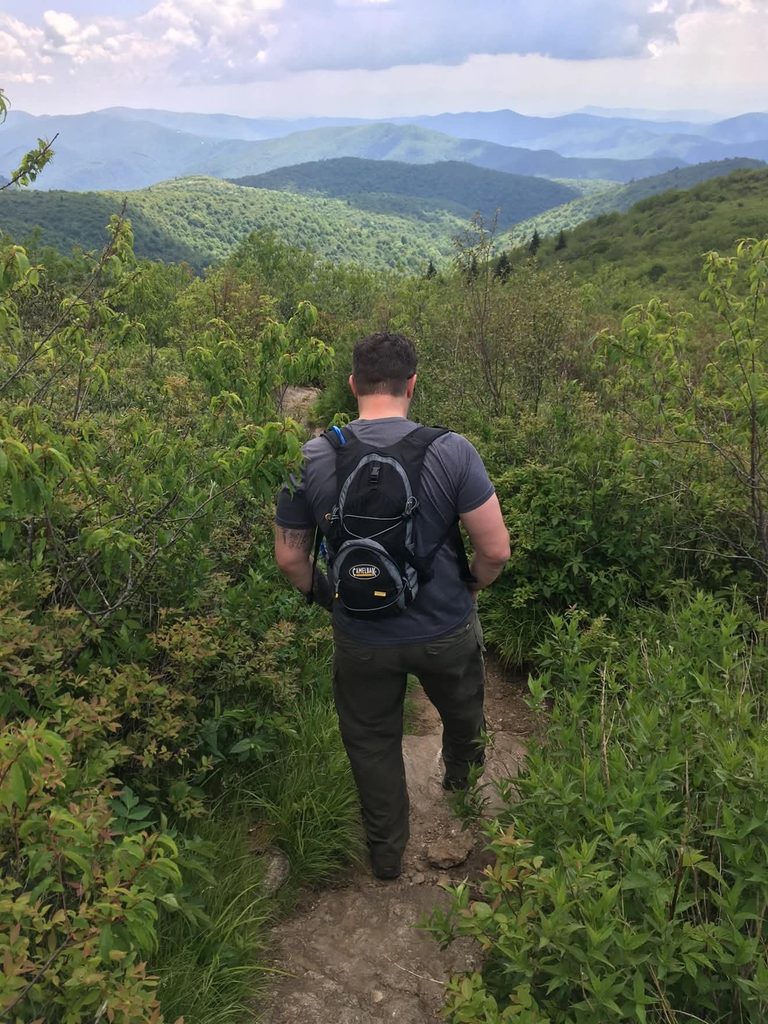
I noticed there were many times when hiking my mind would let go of the clutter of daily life and in that freedom, unprompted, it would begin ferret out a new idea, to process a difficult scene, or even parse a phrasing or word I was struggling with in a poem. This active act of not writing was actively informing my writing. The voice memos and notes that multiplied on my phone were testament to how something powerful, creatively, was to be found deep in a forest or on a mountain ridge, taking in the fresh air, my fingertips grazing the bark of the trees as I passed.
The German philosopher Nietzsche said that we should “give credence to no thought that is not born in the open air and accompanied by free movement” (Ecco Homo, 1888). In an essay called “Walking,” Henry David Thoreau wrote that “the moment my legs begin to move, my thoughts begin to flow” (1862, The Atlantic Monthly). Many writers have found their way through their work by being outside and walking, hiking, or running, including Mary Oliver, Stephen King, Haruki Murakami, Charles Dickens, and Jane Austen. One of my favorite writers, Shirley Jackson, wrote:
I cannot find any patience for those people who believe that you start writing when you sit down at your desk and pick up your pen and finish writing when you put down your pen again; a writer is always writing, seeing everything through a thin mist of words…always noticing. (from Let Me Tell You: New Stories, Essays, and Other Writings, 2015).
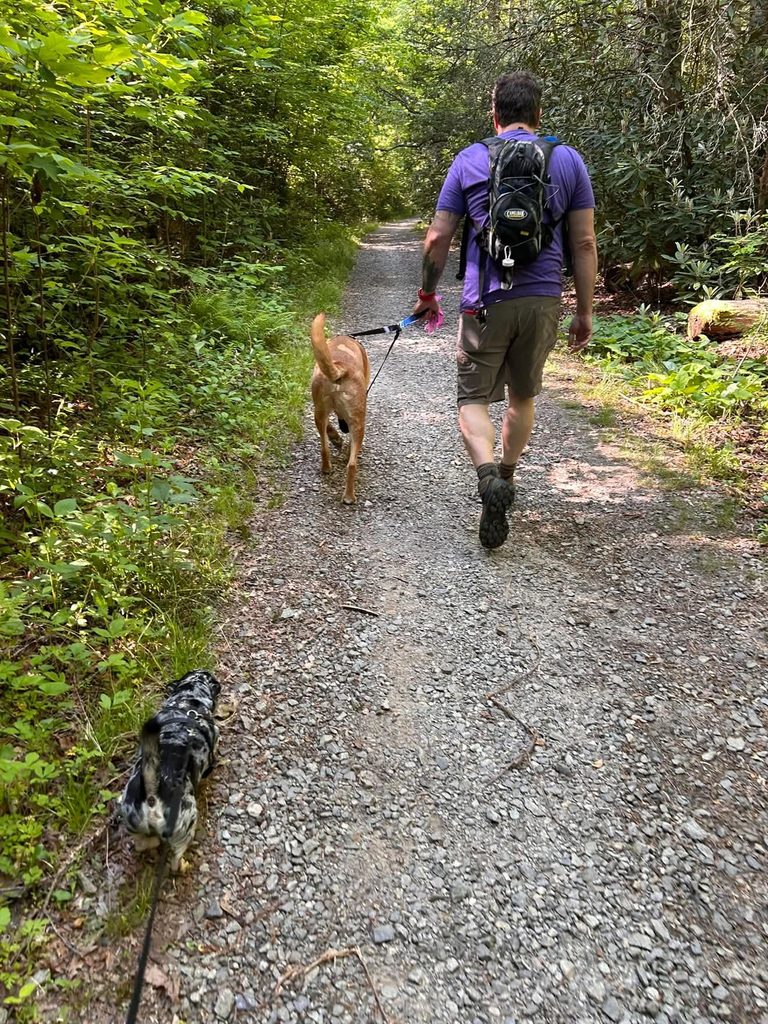
My best ideas come when I am out of my own head. Modern life is cluttered with noise, especially from our screens, and especially as writers. I have a love / hate relationship with social media. On one hand, I know I have wonderful readers in far-flung places like France, Japan, and South Africa because of social media. I’ve found many great friendships with writers, other artists, and readers by using it. But the nagging call to “post consistently” and “engage with readers” can be toxic for creativity. I’m quite disciplined about putting my phone down and on silent when I am at my desk writing, but I’m still in front of a computer with a million apps and distractions that can get in my way. And it’s not that great ideas only come when I am on a trail; I’ve had epiphanies in the grocery store, at the gym, or while driving. But these moments all have one thing in common: I am concentrated on something else besides writing or my everyday routine. The ultimate moment of being “out of my own head” happens, for me, deep in the woods on a hiking trail.
An ideal hike for me is three to four hours. I sometimes hike a familiar trail, one I’ve done many times. I also love finding a new trail I’ve never been on before. Ever a goal-setter, I have plans to hike all the major trail systems in Western NC, Eastern TN, and Southwest VA. But even on a familiar trail, when I lift my head, I see things I haven’t noticed before. When I am able to hike every week, I bear witness to the seasons changing, the way new clusters of mushrooms form on fallen trees in the spring, the way leaves begin to change colors at their edges first when the world cools toward fall. Being on the side of a mountain gives us a sense of perspective. We feel quite small when standing on a ridge overlooking a broad valley below, the world rippling with possibility.
These moments are good for writers because while we do the work, the work is not all about us. My first writing professor, the great poet Eric Nelson, made the distinction between work that was only inward looking and that which looked out into the world. If I write a love letter to my wife, there’s nothing wrong with that, but we might think of it as something akin to journaling. It isn’t meant for readers other than the two of us. Only when our work reaches for a universal emotion or truth can it transition from something like journaling toward art. For me, hiking shows me the immensity of the world and forces me to look outward. If you’re climbing a steep grade and not paying attention, you can fall, twist your ankle, or in some other way sustain injury. At the same time, if you don’t lift up your head, taking in your surroundings, you’ll get lost. The best hikes happen when I completely let go of the day’s schedule, the ever-present to-do list, when the only sounds around me are the wind in the trees and birdsong. There is power in the letting go, being focused entirely on taking in the world around you, and in those moments my mind will almost always return to my work. When I am hiking, I am writing. It isn’t only about the moments at the keys. It’s about seeing the world and sensing my place within it. There are also moments of magic that happen on a hike that stir my creative energy, such as finding a section of woods on a trail near Black Balsam Knob where all the bark has been scraped from the trees. Because I grew up here I know this is likely caused by black bears, beavers, or deer, but my mind can wander to other strange possibilities and before you know it: writing prompt!
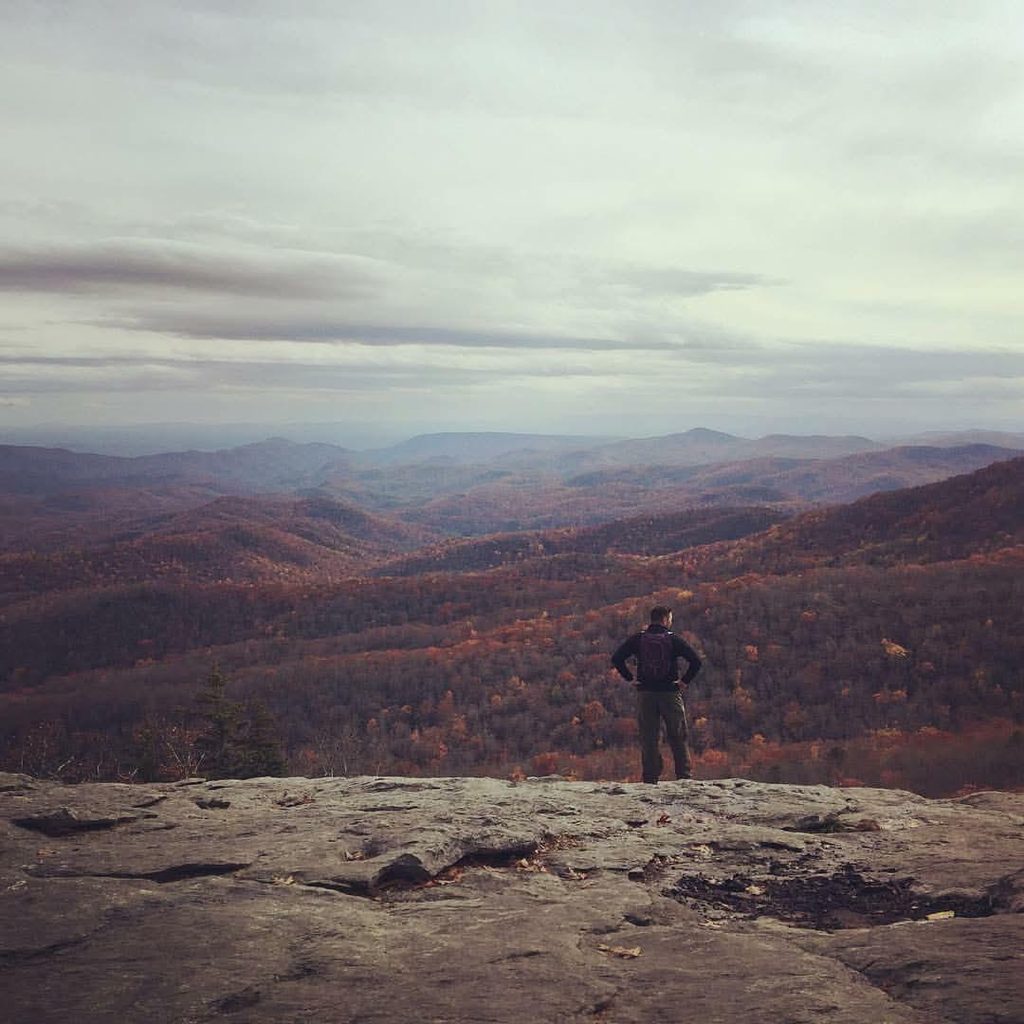
I am not advocating for hiking as some mystical singular way toward finding a deeper level of creativity. While it works for me, the reader may find something different may inspire their best ideas, such as spending time in a museum studying art, listening to a live performance of a symphony, listening to old men talk in a country store, etc. The point is to think of your creative life as something that is always happening. To think, as Shirley Jackson suggests, that we are always writing, always creating, always open to the next good idea, no matter what we are doing in the moment. Of course, the basics of having a discipline of sitting down to actually type words can never be replaced by any other activity. We must get that ass in the seat. We must do the work. And if we are working toward a project deadline or goal, we must sometimes count our words to understand if we are on track. But my challenge to you is to consider that your best ideas may not come at your desk. The power is sometimes in moments of complete freedom. If you find your own unique way to completely let go, you just might find some magic along the trail.
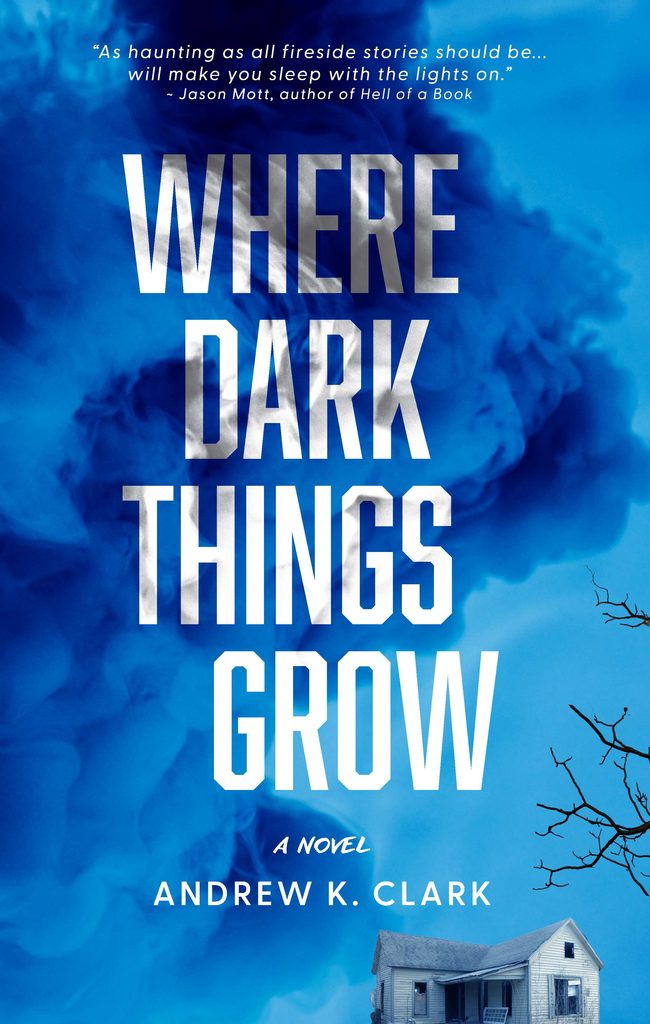
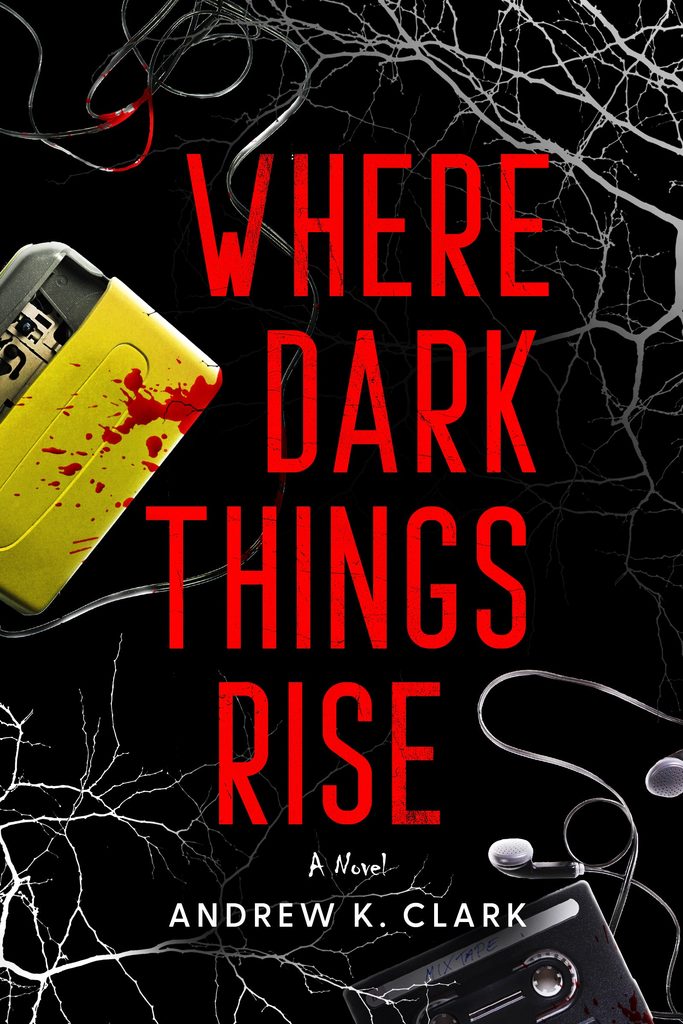
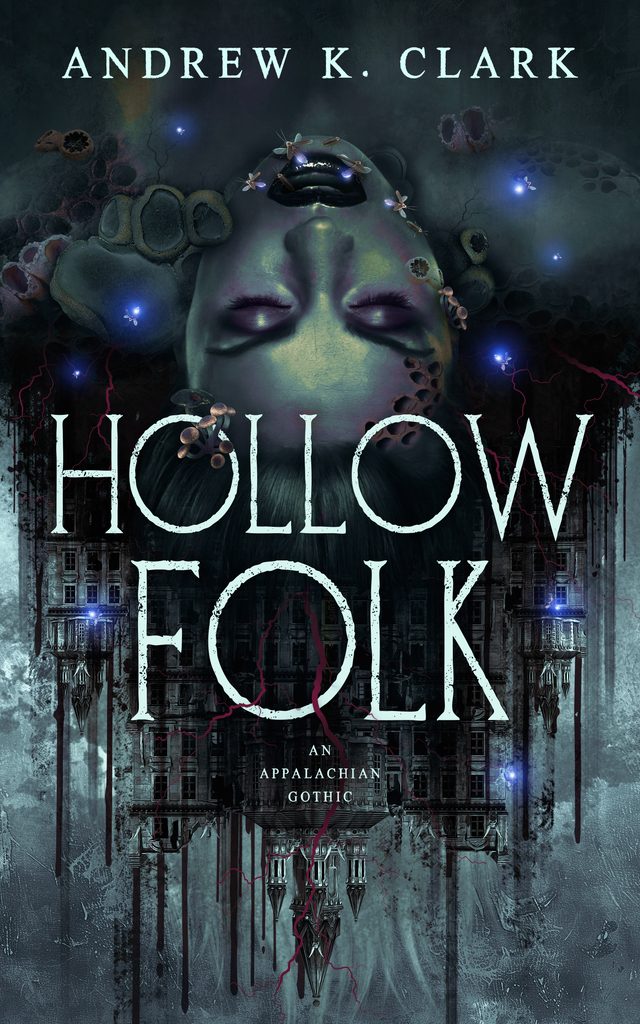
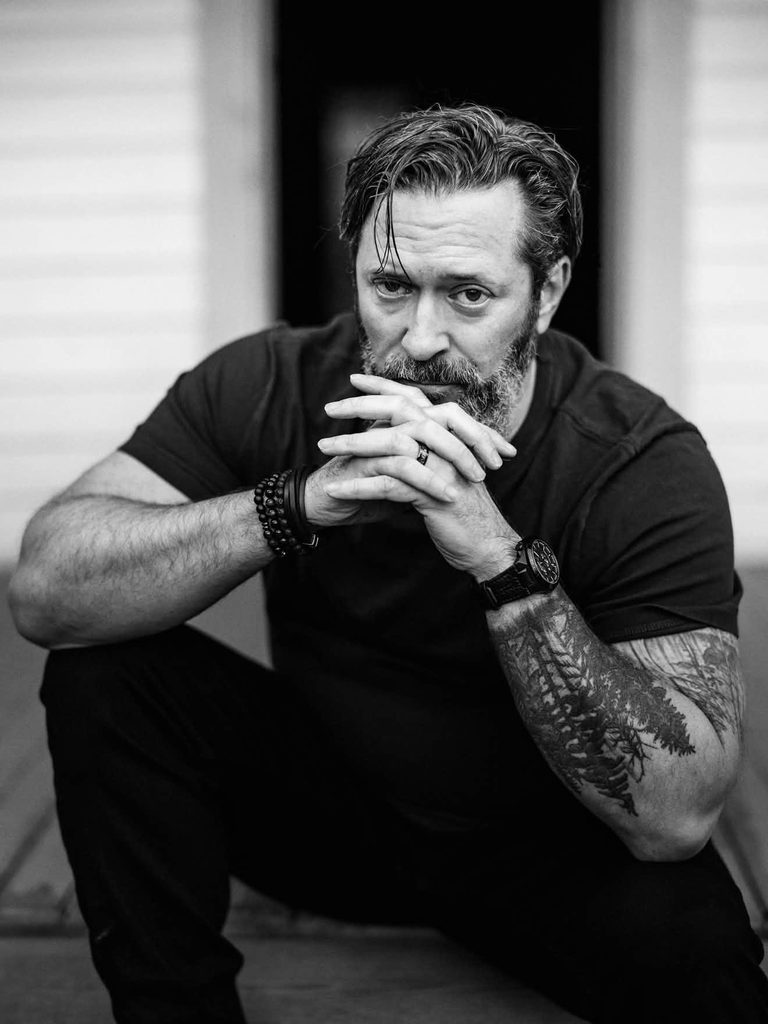
Andrew K. Clark is a writer from Western North Carolina where his people settled before the Revolutionary War. His debut novel, Where Dark Things Grow was a finalist for the Manly Wade Wellman Award, shortlisted for the Sir Walter Raleigh Fiction Award, and won an IPPY from the Independent Book Publishers Awards. The sequel, Where Dark Things Rise won an IPPY, an IndieReader Discovery Award, and was a finalist for the Next Generation Indie Book Award. Hollow Folk, his third novel, received a Kirkus Indie “Get It” verdict. He is co-host of the Dark Forms podcast and received his MFA from Converse University. Connect with him at andrewkclark.com.