
I think I know now why they call it stillbirth.
I always thought it was because of the nature of a child not alive… Still. Cold. Lifeless. But now I think it is because the room goes still. Time stops. More like, you exist outside of it. The entire universe is encapsulated in that little labor and delivery room, with your husband in a chair, pulling out one tissue after another.
But unlike the joyous, only-people-in-the-entire-universe feeling of a live birth, there is only silence. An eerie silence. A squishy belly, a husband with rage in his eyes, and silence. If I could explain to my old self what this journey feels like in real-time, here is what I might say.
There will be no celebratory steak dinner for your husband, no social media announcement. No newborn photos. You want to put her in the outfit you had planned for her photoshoot; to grasp some semblance of the celebration you thought you would have. But it is grasping for the wind. You are afraid her skin will tear, so you settle for a green bow.
You let your husband put that bow in his daughter’s hair, and you let him talk you into holding her one last time. Make it count; it has to last a lifetime. You let the nurses take her away with your eyes squeezed shut, and your ears plugged like a frightened child, but you still hear the door close. You will hear that door close every day after.
You attempt to go to sleep in a postpartum suite with no baby beside you. You toss and turn and watch each hour pass by on the clock, with an empty bassinet beside you. You quit trying to sleep the next morning once a nice woman “From Food and Nutrition” brings you a shitty breakfast. You limp to the shower, and there, for the first time, you cry alone at the hopes that are lost. For the future you are now facing. You watch your own blood swirl down the drain, bruised and broken, and you cry that the story is ending this way.
And then you go home without a baby. You get in a car, with blood gushing out of your body, with an empty car seat in the back, and you go home just the two of you.
You try to go on. You have no choice but to go on. It seems cruel that there is no natural law that when a child dies, their parents die with them. But for reasons unknown, that is not what God chose. So, you leave the hospital without your baby and try to go on with a life that was supposed to look so different.
As you are Mama, your body bleeds. It amazes you that one can bleed so much and survive. Your milk comes in. What a cruel joke. Your breasts become like giant cysts in your chest, engorged and in pain. Your body preparing to feed a child that is already on its way to the furnace.
You think you know now why they call it stillbirth. It is because you still give birth, but only your child is at risk of being swept under the rug of the taboo, falling through the cracks of history. Becoming a no-name. That idea is more heartbreaking than the thought of living without them.
You don’t feel like eating in the early days. But you clean the whole house. Shock is a strange and miraculous thing. You cry. You kneel in front of a mostly unused hospital bag, feeling like your chest is cracked open. Raw and exposed. You also laugh. It doesn’t seem possible, but you eat cheap pizza and watch a funny television show and laugh. And it doesn’t feel right, but in this moment, it is the only way to not fall into the abyss. You keep a stained hat in your bedside table.
You eventually get up the courage to sort through the keepsakes and hospital paraphernalia spread across your kitchen table, dumped there upon coming through the front door, returning like wounded soldiers. You see the bow again. The footprints.
You skim through the discharge papers neatly tucked in your personal folder. “IUFD”, says a note. You think you can guess what the acronym stands for, but you look it up anyway: Intrauterine Fetal Demise. Such a clinical term. So cold. The product of biology decaying inside you. So impersonal. Not your Nova. Not your little girl.
You engage in social outings far too soon. It helps and hurts at the same time. You hear a little girl shout, “fireworks, mommy!” and tears that no one can see under the cover of the night sky flood your eyes.
You walk with dread past the closed nursery door for many weeks, as if something terrifying is behind it. Why? Because it feels a lot like the place your hopes and dreams went to die. One day, you hear the faint sound of your husband playing the drums coming from there, and you enter. It’s a brief encounter, a quick smile and acknowledgement of your man, a surveillance of the still perfect layout of the bassinet, the changing table, and the hanging artwork. A time capsule. You realize that the scene won’t kill you, pretend everything is OK, and quickly leave again.
One day, your husband tells you that it is time to put Nova in her room, and an urn will sit atop a dresser filled with unworn clothes, the scent of baby laundry detergent still fresh on them. You assume, anyway- you can’t be sure, you won’t find the courage to open the drawers for a long, long time.
You think you know now why they call it stillbirth. Perhaps it is because you are forced into stillness. You will hear a baby cry in a store, and your feet will fail you. It will physically hurt to step forward. “One step at a time” will never been more real.
Autumn starts to arrive, and you hate to see those crisp leaves fall. Summer was supposed to look so different. Before, the world was more colorful than ever before, and after, all the colors have been drained out. Scratch that- the color still exists, but it is a lie. A cheap trick, mocking you, showing you every day that the normal world still exists, and it is moving on without your baby in it. Cars whiz by, and it baffles you that they can’t feel this huge gap in the world. That they can’t feel the cosmic shift. That your baby came and went without making the slightest dent in these strangers’ busy lives.
Well-meaning people say that they hope you try again. But this is no car breaking down, no disappointment over not getting the job. This is your firstborn child- our firstborn child. Nothing and no one will replace her or make this right. This cannot be fixed.
The holidays come and go. You leave an empty chair pulled out at the dinner table on Thanksgiving. It stays that way all night. You find great joy and also find yourself on the bathroom floor Christmas night feeling as if you can’t go on.
You think you know now why they call it stillbirth. Because the world stops for you, but for everyone else it charges on.
You sometimes feel furious at God, and sometimes you wonder how you would get out of bed in the morning if you didn’t believe. To think that this is some cosmic screwup? Some callous act of mother nature? That would be the true hell.
In what feels simultaneously like a moment and a lifetime since you last held your baby, you find yourself six months out. In about four more months, you will have officially spent more time without your baby than the time you had together.
Others may not remember, but you remember. You remember every kick, every hiccup, every reaction of hers to both of your touches, pokes and prods. You hope she enjoyed the sound of your voices. You hope they were the last thing she heard. You hope she simply drifted off in a dream-like state. You hope you never, ever learn anything to the contrary.
There will always be the shadow of a little girl in your life. She will be in every holiday, every snowflake, every laugh, every summer breeze, every milestone. She will follow you everywhere. There is nowhere you can go that you could escape her presence, as if you would ever want to.
I know now why they call it stillbirth. It is because there will forever and always be a small corner of our hearts carved out for a sacred place. A place only we can visit. A place where time stands still, and we are still holding our baby, and for a brief moment, we are still a family.
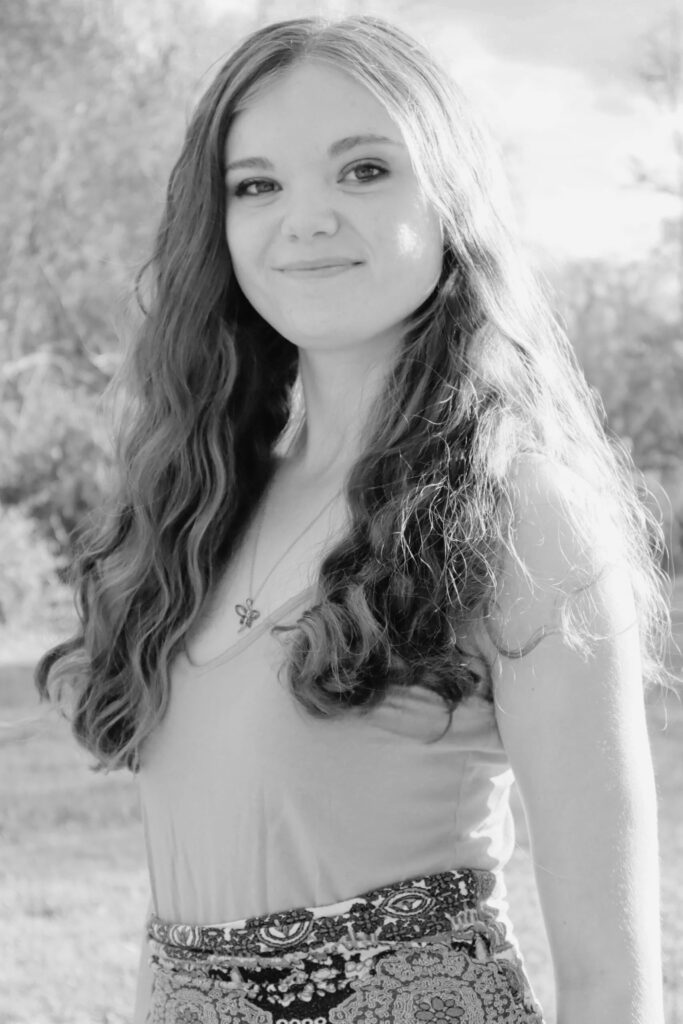
Lacey Rodriguez is a wife, mama to an angel, and certified life coach. She lives in the mountains of Western North Carolina. She seeks to spread awareness of the reality of baby loss, specifically stillbirth, through her writing- and help herself heal in the process.
One response to “I KNOW NOW WHY THEY CALL IT STILLBIRTH | Nonfiction by Lacey Rodriguez”
Lacy, this was absolutely beautiful and deeply resonant. I go to that endless place too, so often. The still moments when she was in my arms or in her bassinet. When it was us three. For such a short time. To you, to Nova and to my baby E. ❤️